


Pet food labels contain useful information, but no single ingredient, buzzword, or number can tell you whether a food is right for an individual pet. The most useful approach is to look at the complete label: ingredients, guaranteed analysis, calorie information, feeding directions, life-stage statement, and manufacturer details.
Start With the Ingredient List
Ingredients are listed by weight before processing. That means ingredients containing more water can appear higher on the list even though their relative contribution changes during cooking. Use the list to understand what is present, but avoid treating the first few ingredients as a complete measure of food quality.
Understand Ingredient Names
Terms such as chicken, chicken meal, oats, rice, peas, or other named ingredients describe different forms of raw materials. A named meal is a concentrated rendered ingredient, while fresh meat contains more water. The important question is not whether one form is automatically better, but how the finished food is formulated and whether it meets the pet’s nutritional needs.
Use the Guaranteed Analysis Carefully
The guaranteed analysis lists minimum or maximum amounts for nutrients such as crude protein, crude fat, fiber, and moisture. It can help compare foods, but direct comparisons between wet and dry products can be misleading because their moisture levels are very different. When a precise nutrition comparison matters, ask your veterinarian or a veterinary nutrition professional how to compare the foods on a dry-matter or calorie basis.
Check the Nutritional Adequacy Statement
Look for the statement explaining whether the food is complete and balanced and which life stage it is intended for. A puppy or kitten, healthy adult, pregnant animal, and senior pet can have different nutritional needs. The statement is useful context, but a medical condition may still require a veterinarian-recommended diet.
Also Check Calories and Feeding Directions
Calorie information and feeding directions help with portion planning, but they are starting points rather than guarantees. Body size, activity, age, neuter status, treats, and health conditions all affect calorie needs. Monitor body condition and adjust with veterinary guidance when needed.
Putting It Into Practice
When comparing foods, read the whole label instead of relying on claims such as “natural,” “grain-free,” or a single ingredient at the top of the list. If your pet has allergies, chronic disease, unexplained weight change, or persistent digestive or skin symptoms, involve your veterinarian before making repeated diet changes.
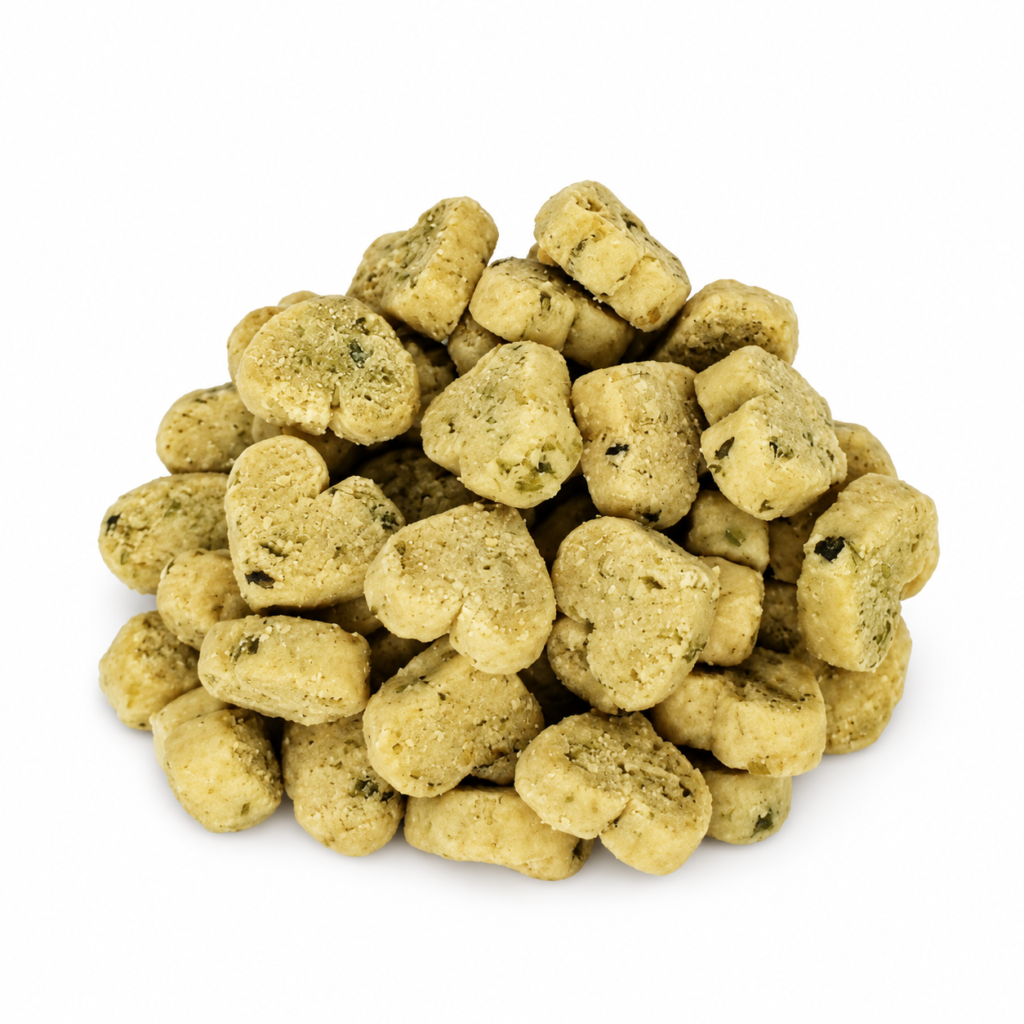
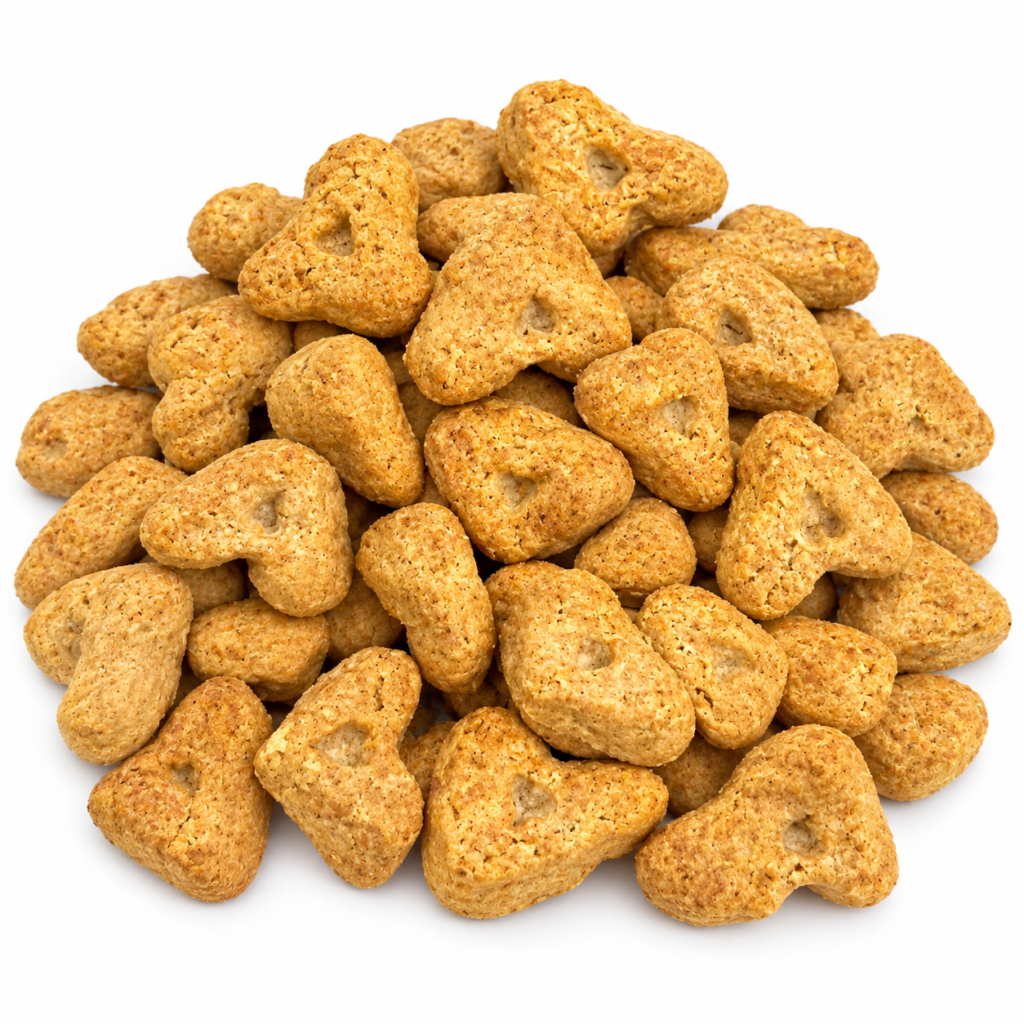
For everyday rewards, browse our dog treats and cat treats. Compare ingredient statements and the product information on each listing before choosing a treat for your pet.
Related guides: compare grain-free and grain-inclusive diets, review wet vs. dry pet food, or read our ingredient guides to oat flour and oat powder and celery powder for dogs.


Discussion 0 comments
Share your thoughts — every perspective adds value.