

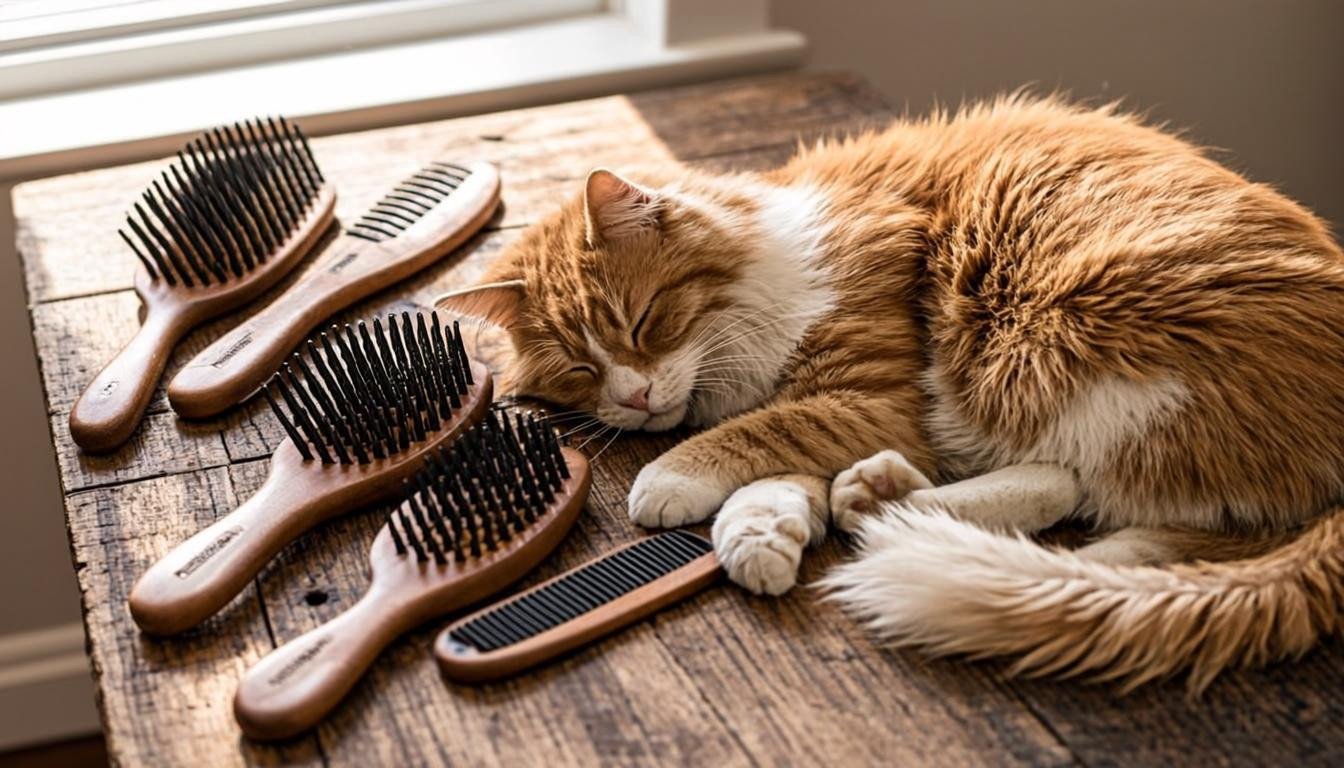
If you’ve ever stood in the grooming aisle staring at a wall of brushes wondering which one is right for your pet, you’re in good company. Using the wrong brush is one of the most common — and most fixable — grooming mistakes owners make. A short-haired dog brushed with a slicker is getting nothing from it; a long-haired cat brushed with a bristle brush is going to mat within weeks. The right tool matched to your pet’s coat type reduces shedding, prevents mats, distributes natural oils, and turns brushing into a bonding ritual rather than a battle.
Short, Smooth Coats (Beagles, Boxers, Dobermans)
Short-coated breeds have tight fur that sheds continuously but doesn’t tangle. The right tool here is a rubber curry brush or a short-bristle brush. The rubber nubs grab loose hair and stimulate the skin, distributing oils without scratching. Use circular motions, and you’ll be amazed how much loose hair comes off a “short-haired” dog. A deshedding tool like a Furminator can also be used during heavy shed seasons, but be careful — overuse can damage the short coat. Once-a-week brushing is usually plenty for these breeds.
Double Coats (Huskies, Retrievers, German Shepherds)
Double-coated breeds have a soft undercoat and a coarser outer coat. The undercoat is what sheds heavily twice a year and what causes the fluffy tumbleweeds around your house. An undercoat rake is your primary tool — it reaches through the outer coat to remove dead undercoat without damaging the topcoat. Follow with a slicker brush to smooth the surface and a stainless steel comb to check for any tangles. During the spring and fall shedding seasons, daily brushing for ten minutes keeps the shedding manageable. Avoid blade-style deshedding tools on double coats — they can cut the topcoat and permanently alter the coat’s protective function.
Curly and Wavy Coats (Poodles, Doodles, Bichons)
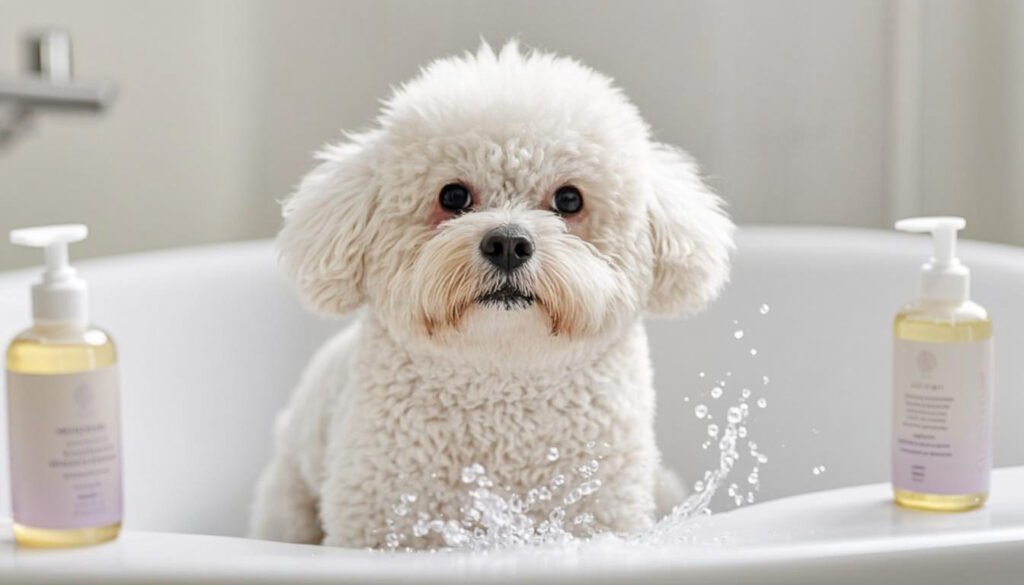
Curly and wavy coats are the highest-maintenance coat type. They don’t shed much, which sounds great until you realize that loose hair stays trapped in the curls and forms mats. The primary tool is a slicker brush, used daily or every other day, followed by line brushing with a stainless steel comb to find any small tangles before they become mats. Line brushing — holding a section of coat up and brushing down in thin layers — is the technique that actually prevents mats. Skipping it is why so many Doodles end up shaved at the groomer. A dematting tool can be used on small tangles, but large mats should be clipped out, not brushed through.
Long-Haired Cats (Maine Coons, Persians, Domestic Longhairs)
Long-haired cats need daily brushing, full stop. A stainless steel comb is the most important tool — it’s the only thing that reliably reaches through a long cat’s coat to find tangles near the skin. Follow with a slicker brush to smooth the topcoat. For cats who hate being brushed, a grooming glove can be a stepping stone, but it won’t do the deep work a comb does. Long-haired cats are also prone to hairballs, and consistent brushing removes loose hair before the cat can ingest it during self-grooming. Pay special attention to the area behind the front legs and the britches — these are the first places mats form.
Building a Routine That Lasts
The right brush only works if you use it consistently. Pair brushing with something your pet loves — a special treat, a favorite window spot, a calming chew — so the activity becomes associated with pleasure rather than restraint. Keep sessions short; five minutes daily beats thirty minutes once a week. Replace brushes when the bristles bend or the teeth of the comb dull, which is usually every two to three years with regular use.
For the other half of a coat-care routine, read our dog bathing guide.

Discussion 0 comments
Share your thoughts — every perspective adds value.